The automotive industry has been hit hard by supply shortages and high product demand. Wholesale vehicle prices skyrocketed in January 2022, but have since dropped 6.4%. However, overall prices are still up 14% in comparison to 2021, suggesting that recovery may be slow as inflation continues.
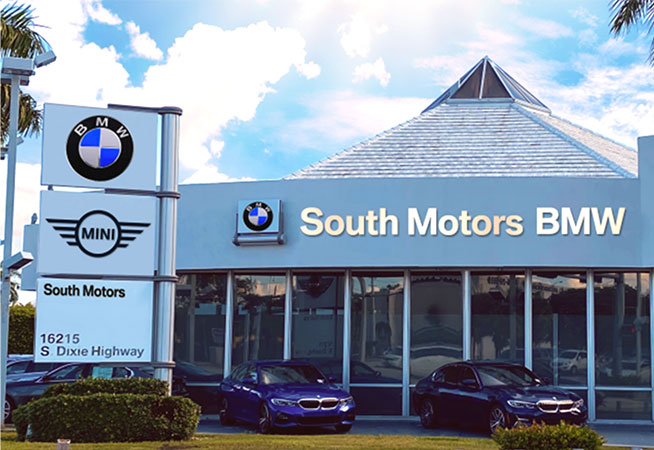
Jonathan Chariff is the CEO of South Motors, one of the largest automotive dealerships in South Florida. With 11 dealership locations and over 1,200 employees, Chariff leads a thriving company that has come a long way since the family-owned business’s beginning in 1956. As a thought leader and automotive industry veteran, his vision and leadership at the helm of South Motors led to expansion and success.
“The automotive industry has experienced many extremes: from diminished sales and service opportunities at the beginning of the pandemic to the current issue of demand overwhelming supply,” Chariff said. “Supply and demand is not our sole concern—we must also remain mindful of the financial impact on our clientele and employees.”
We sat down with Chariff to discuss the ongoing challenges in the automotive industry, and why prioritizing client relationships is at the core of business.
Q: Our current economic state has been extremely volatile, how are you approaching the current inflationary environment from a business perspective?
A: On the consumer side, there has been an increase in new vehicle prices. With fewer cars being produced, manufacturers have decreased their sales and leasing support. This has a profound effect on pre-owned sales. While our market has always been lease-centric, we’re now seeing more of our clients buying out their leases. This leaves fewer pre-owned vehicles available, and greater difficulty in maintaining our inventory.
We implemented raises for our hourly team members to keep their wages in stride with inflation. We want to ensure that [inflation] does not impact our product and service pricing, and that we provide clients with as many options as possible.
Q: Everyone seems to be talking about the car shortages happening throughout the country. How are you dealing with supply chain issues?
A: At South Motors, we’ve adopted a few strategies:
- Leverage as many channels as possible in inventory acquisition. We put a stronger focus on targeting trade-in and sale-ready clients. As well as outright purchases directly from the consumer.
- Increase our fixed operations campaigns. We further enhanced our parts, service, and maintenance specials.
- Maintain communication with existing clients: Keeping the conversation flowing is essential for maintaining business relationships, which should never diminish—even during a supply shortage.
Q: What is your top concern about the current inflation we are facing?
A: Global shutdowns due to the pandemic caused initial supply chain issues, and we are still in the recovery phase. Then there was a shortage of global semiconductor supply and microchips. Add in other disruptions like the Suez Canal Crisis, Canadian trucker protests, and the war in Ukraine, and it becomes clear that shortages have contributed to inflation.
In order for industries to recover, there will have to be a short, mid, and long-term solution to curb shortages—but the timing and scope of this is uncertain.
Q: The current economic climate is likely to continue throughout the year. As a business owner in a high demand industry, what other steps are you taking to address inflation and shortages?
A: Pricing is very much a balancing act. There has certainly been an increase in our vehicle acquisition costs, as well as the time and effort we put into receiving them. However, we still want to remain conscious of our clientele and their financial situations.
We’re committed to serving our community, but the supply issue will continue to be a challenge, as it will push pricing wholly outside of their budgets. However, the one positive to all of this uncertainty, is that more inventory is being diverted from eastern bloc countries to the United States. This trend is most notable with the European and Japanese manufacturers.
Adapting to the changing automotive industry environment has become a daily effort during these past two years. Over the decades, we have developed a strong loyalty with our community. We want to keep that relationship strong—and keep our clientele returning to us by acknowledging their concerns and making impactful, strategic decisions in the midst of rising prices.
Surging inflation and the imbalance between supply and demand are top of mind for all business owners. Price adjustments, narrower profit margins, inventory changes and other challenges are common across different industries. Similar to the automotive industry, many sectors are also touched by the far-reaching ripple effect of social and political disruptions. Like Chariff, savvy business owners are focusing on areas of impact by prioritizing client relationships—and seeking guidance when needed.
At First American Bank, our financial advisors and loan officers are dedicated to finding the best solutions for your business. Whether it’s a new line of credit to cushion your cash flow, an asset-based loan that can help you build up inventory collateral, or expert financial guidance as you consider launching a new location or product, First American Bank is committed to customizing solutions that meet your unique needs.