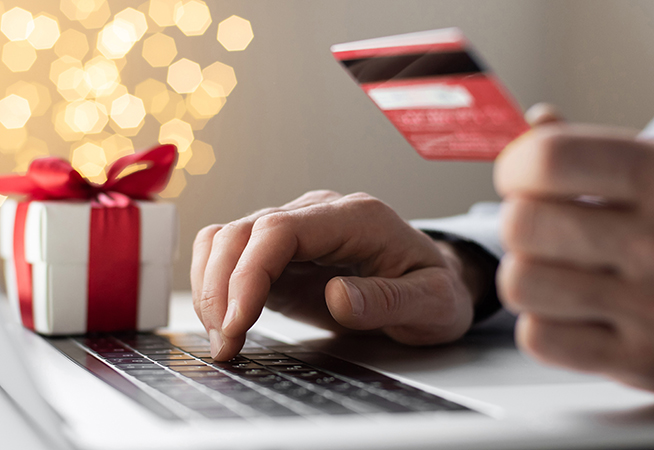
A deeply discounted gift can be hard to pass up, especially when holiday shopping time is running short. But before buying, take a moment to make sure the offer and the seller are legitimate.
Scammers use fake stores, search ads, social media promotions, and convincing messages to reach holiday shoppers. Knowing how these scams work can help you protect your money and personal information.
Start With the Seller
An online store may look professional without being trustworthy. Scammers can copy product photos, logos, and other details from legitimate retailers to create convincing imitations.
Check the website address before entering any information. A web address containing misspellings, extra words or an unfamiliar ending could actually be a fraudulent website designed to resemble a well-known retailer. If you know the retailer, type its address into your browser or use its official mobile app.
Take additional precautions when shopping with an unfamiliar business. Look for a working customer service number, a physical address and clearly written shipping, return and refund policies. Then search for the company’s name separately to see what customers say about it elsewhere.
According to the Federal Trade Commission, searching for a company name along with words such as “complaint” or “scam” can help shoppers identify problems before making a purchase.
Don’t Trust a Search Result Just Because It Appears First
Shopping scams do not always begin with suspicious emails or unsolicited messages. They can also appear when you search for a product online.
Fraudulent sellers may purchase search ads that direct shoppers to imitation stores or websites created to collect payment and personal information. These ads can appear near legitimate retailers, sometimes at the top of the results page.
Read the website address carefully before following a link. If you are looking for a specific retailer, navigating directly to its website is safer than assuming the first search result is authentic. This is especially important when searching for popular electronics, toys, event tickets, or other items that may be difficult to find during the holidays.
Question Prices That Are Too Good to Be True
Holiday sales are common, but an unusually large discount can be a warning sign. Compare the price with several established retailers before buying. If an in-demand product costs considerably less than it does everywhere else, the seller may be offering a counterfeit item, collecting payments for products that do not exist or trying to capture shoppers’ information.
Be skeptical of countdown clocks and messages claiming that only one item remains. These tactics are designed to create urgency, so you act before checking the seller. A legitimate purchase should withstand a few minutes of research.
Choose Your Payment Method Carefully
How a seller asks you to pay can reveal a great deal about the transaction. Be cautious if an online store insists on payment by gift card, wire transfer, cryptocurrency or a person-to-person payment service. These payments may be difficult or impossible to reverse.
According to the National Cybersecurity Alliance, online retailers that do not accept major credit cards and instead request payments through services such as Zelle®, Cash App or cryptocurrency should be treated with suspicion.
Review the protections associated with your payment method before completing the purchase. Credit cards often provide stronger fraud protections than other options, although protections can vary by issuer and transaction. Never send money using a payment method you do not understand or feel comfortable using.
Protect Your Accounts
A fraudulent purchase is not the only risk. A scam website may also try to collect personal information that can be used to access other accounts.
Only provide the information reasonably necessary to complete the order. A retailer does not need your bank account password, Social Security number, or a security code sent to your phone. If a website requests information that seems unrelated to the purchase, leave the site.
Use a unique password for each shopping account and turn on multifactor authentication when available. According to the National Cybersecurity Alliance, strong passwords should be at least 16 characters long. Using unique passwords prevents a stolen password from giving a scammer access to several of your accounts.
Keep your phone, computer, browser, and shopping apps updated as well. Software updates often address security weaknesses that criminals could otherwise exploit.
Be Wary of Delivery Messages
Holiday shopping scams can continue after an order is placed. Fraudulent emails and text messages may claim that a package has been delayed or that an additional fee is required before delivery.
Instead of following a link in the message, check the order through the retailer’s official website or app. You can also enter the tracking number directly on the carrier’s official website. Do not provide payment or account information in response to an unexpected delivery notice.
Check Your Bank Accounts
Review your bank and credit card activity regularly throughout the holiday season. Transaction alerts can help you notice an unfamiliar charge sooner. If you identify a transaction you did not authorize, contact First American Bank promptly using the number on the back of your card or its official website.
A good holiday deal should save you money, not pressure you into taking an unnecessary risk. Slow down, verify the seller and walk away when an offer does not feel right.